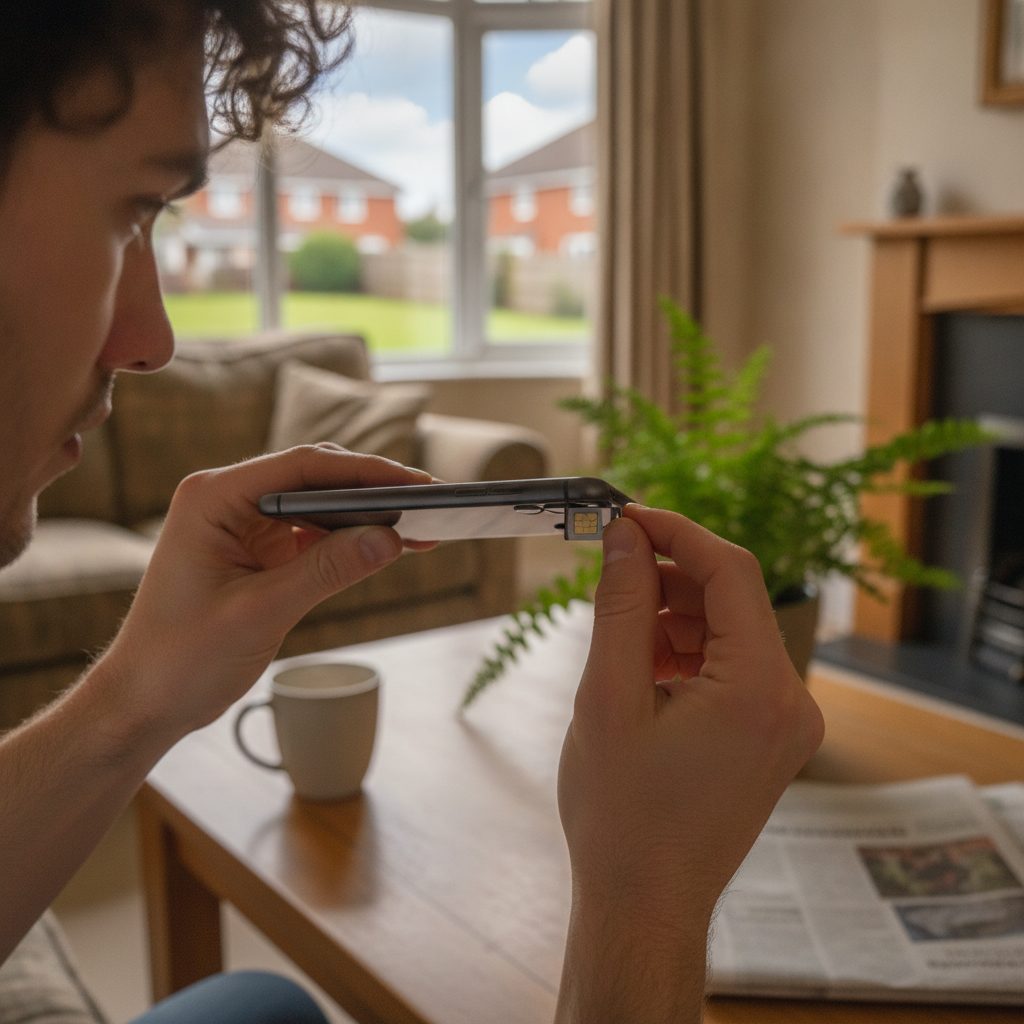
What online unlocking services offer
Searches for terms like cellunlocks typically lead to commercial websites that sell factory unlocking services, network unlock codes, or remote software unlocks. These platforms request the handset make, model, network provider, and 15-digit International Mobile Equipment Identity (IMEI) number. In return for an upfront payment, they claim to contact carrier databases or generate manufacturer codes to free the phone for use on any network.
While some commercial unlock services do successfully process unlock requests through wholesale carrier connections, the industry contains significant pitfalls. Many portals charge substantial preliminary administration fees, only to request a second, much larger payment to complete the unlock. Understanding how network locking actually functions helps you determine whether paying a third-party service makes financial sense.
How network locking works on mobile handsets
A network lock, often called a SIM lock or carrier lock, is a software restriction applied to a device by the manufacturer at the request of a mobile network operator. The lock ensures that the device will only register on the mobile network that subsidised or supplied the handset.
On Apple devices, network locks do not use numerical codes. When you insert a SIM card, the iPhone contacts Apple activation servers. The server checks the device activation policy tied to its IMEI. If the policy specifies EE, Vodafone, O2, or Three, the device rejects SIM cards from rival carriers until the carrier requests Apple to update that central database record.
Android devices from manufacturers such as Samsung, Google, or Motorola historically used Network Unlock Codes (NUC) or Network Control Keys (NCK). When a user inserted a foreign SIM card, the phone prompted for an eight-digit or sixteen-digit code. Modern Android devices increasingly use server-side database registrations similar to Apple, making offline code generators largely obsolete for newer models.
UK regulations and Ofcom rules on handset locks
The regulatory landscape in the United Kingdom changed fundamentally in December 2021. The communications regulator, Ofcom, introduced rules prohibiting mobile network providers from selling locked devices. Every smartphone sold directly by major UK networks since December 2021 must be supplied unlocked out of the box.
This rule applies to contracts and pay-as-you-go purchases from EE, Vodafone, Three, O2, and virtual operators such as Tesco Mobile, giffgaff, Sky Mobile, and Virgin Media. If you purchased a new handset in the UK after late 2021, it is almost certainly already unlocked.
Handsets sold prior to December 2021, refurbished units, corporate fleet devices, or phones originally imported from outside the UK may still carry active network locks. However, UK networks are required to unlock these older devices for their original owners free of charge, or for a nominal fee if you are a secondary owner.
Risks and common issues with third-party unlock portals
Before submitting your payment information to an online unlock provider, consider the common complaints documented across UK consumer review platforms:
- Two-tier pricing models: Many portals advertise unlock prices as low as £10 to £15. Once you pay, the service claims the initial fee was merely an "eligibility check" or "pre-order fee", demanding an additional £30 to £80 to process the actual unlock.
- Delayed processing times: While network operators usually process requests within 24 to 72 hours, third-party sites frequently quote turnaround times of several weeks, citing backlog delays.
- No refunds for blacklisted or financed phones: Third-party sites cannot unlock a handset that is blacklisted due to loss, theft, or unpaid contract bills. Most services keep the entire fee if an unlock fails for these reasons.
- Misleading iCloud bypass claims: Some websites conflate network unlocking with iCloud activation locks. A network unlock will never bypass an iCloud lock, MDM profile, or Google Factory Reset Protection (FRP).
Third-party services versus official carrier unlocks
Comparing your options side by side highlights why approaching the original carrier directly is almost always the better choice.
| Feature | UK Network Operator | Third-Party Unlock Website |
|---|---|---|
| Cost | Free (in almost all cases) | £20 to £100+ (often split fees) |
| Turnaround time | 1 to 3 working days | 3 to 15 working days |
| Permanent status | Permanent official whitelist | Varies depending on method used |
| Blacklist handling | Refuses and explains issue | Refuses with no refund |
| Consumer protection | Regulated by Ofcom | Often based in offshore jurisdictions |
How to unlock your phone for free via UK networks
If you have an older handset locked to a specific UK network, follow the official carrier process to release it without paying intermediary fees:
- EE: Handsets bought from EE before late 2021 can be unlocked through the EE website unlock portal. Pay-monthly customers can unlock their device free of charge once six months of the contract have elapsed. Pay-as-you-go handsets can be unlocked at any point.
- Vodafone: Vodafone provides a dedicated Network Unlock Code (NUC) form online. Unlocking is completely free for current and former customers. Processing generally takes up to 72 hours.
- O2: Pay-monthly devices purchased prior to the 2021 rule are unlocked automatically or on request via the My O2 app. Pay-as-you-go customers can request an unlock through O2 customer service free of charge.
- Three: All handsets sold by Three since late 2013 were already supplied unlocked. If an older model is somehow restricted, Three customer support unlocks it at no cost.
Why you must check your IMEI before attempting an unlock
Attempting to unlock a second-hand phone without knowing its complete operational history can waste money and effort. If a device has been flagged as lost, stolen, or tied to a defaulted credit agreement, no carrier or legitimate service will unlock it for use on UK networks.
You can run an initial check using Device Decoded to view accurate model specifications, warranty records, and carrier details. Dial *#06# on your device keypad to reveal the 15-digit IMEI number on screen.
Entering this identifier into Device Decoded confirms exact device configurations and helps verify whether the handset is an authentic model before you approach a carrier. Knowing your original network and device state ensures that any unlock request you submit proceeds smoothly without unexpected rejections.